

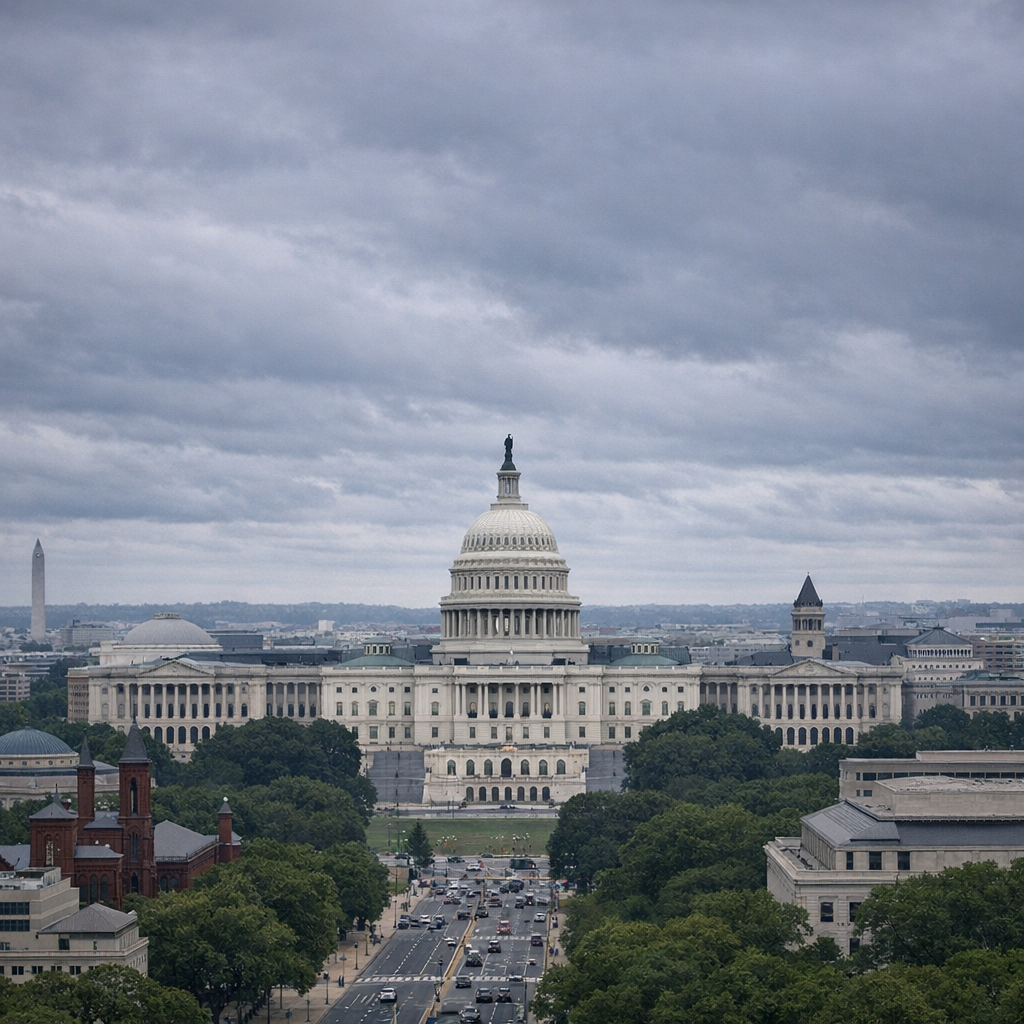
Economic Resilience Amid Pressure
The U.S. economy continues to grow, though the pace has cooled. In the second quarter of 2026, gross domestic product (GDP) rose by 1.5%, down from 2.1% in the first quarter. Personal incomes are inching up, but inflation still outpaces wage growth for many households. Energy prices—especially gas—remain a major burden.
The current account deficit has widened, signaling ongoing tensions in trade and investment. Meanwhile, analysts expect inflation to trend downward over time, barring fresh disruptions.
Political Undercurrents as Midterms Loom
Opinion polls show growing dissatisfaction among Americans: most believe the economy has worsened under current policies, and positive ratings for national economic conditions are in short supply. Partisan divides are stark: Republicans are more likely than Democrats to view the economy favorably.
Discussions over tariffs, trade, and immigration policy remain front and center—each with implications for jobs, inflation, and domestic production. Observers are watching closely as federal deficit levels and energy policy decisions carry weight in voters’ minds.
Looking Ahead: Risks, Reforms, and Realities
Many economists believe growth may pick up slightly, supported by regulatory changes, investments in technology and energy, and easing inflationary pressures. But risks persist—from volatility in oil markets to global conflict and supply-chain disruptions.
For everyday Americans, affordability remains the story: housing, healthcare, food and energy prices are top concerns. Wage gains have been uneven, and many households say they’re struggling just to keep pace with rising costs. These pressures may well shape political decisions in the months ahead.
Why This Matters in Nevada and Beyond
Here in Las Vegas and across Nevada, inflation and housing costs hit especially hard. Tourism and energy sectors amplify the impact of national trends. Federal policies on trade, immigration, and regulation often translate to tangible effects here—whether through energy bills, supply prices, or labor market shifts.
Understanding the national landscape helps Nevadans make sense of local concerns, from rent hikes to job prospects. As midterm campaigns ramp up, voters may well use their ballots to express how national economic stress is showing up at home.